
Implementing DevOps practices in your organization
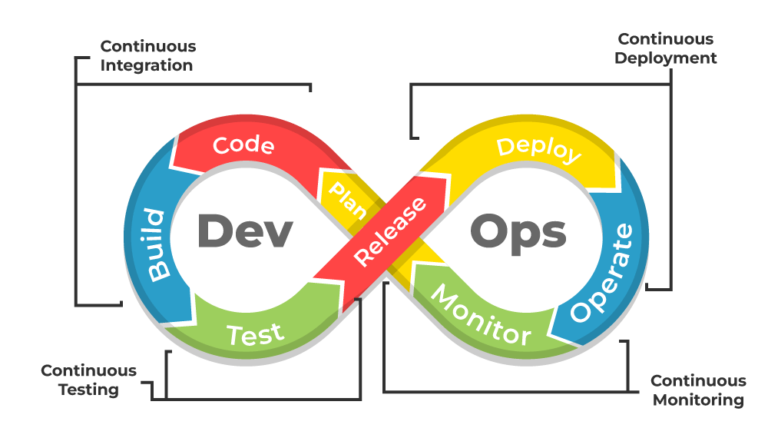
DevOps has become crucial to modern software development, promising improved collaboration, faster delivery, and enhanced efficiency. However, implementing DevOps practices in your organization requires careful planning and consideration of potential challenges. This blog post will discuss some mistakes to avoid along the route and recommend practices for successfully implementing DevOps.
Best Practices for Implementing DevOps:
1. Embracing Collaboration: DevOps is as much about cultural transformation as it is about tools and processes. Encourage collaboration and communication between development and operations teams to foster a shared sense of ownership.
2. Automation: Automate repetitive tasks such as build, test, and deployment processes to increase efficiency and reduce manual errors. Adopting continuous integration and continuous deployment (CI/CD) pipelines can streamline the software delivery process.
3. Continuous Monitoring and Feedback: Implement robust monitoring and logging practices to gain visibility into the performance and health of your systems. Use metrics and feedback loops to identify areas for improvement and drive continuous optimization.
4. Prioritize Security: Integrate security practices into every stage of the DevOps lifecycle, from code development to deployment. Implement security scanning tools and enforce security policies to mitigate risks and vulnerabilities.
5. Training and Education: Provide training and educational resources to empower your teams with the skills and knowledge needed to embrace DevOps practices effectively. Encourage a culture of continuous learning and improvement.
Mistakes to Avoid:
1. Neglecting Cultural Change: One of the most common pitfalls in DevOps adoption is failing to address cultural barriers and resistance to change. Without buy-in from team members and leadership, DevOps initiatives are unlikely to succeed.
2. Overlooking Automation: Manual processes can slow down development cycles and introduce inconsistencies and errors. Avoid the temptation to rely on manual interventions and prioritize automation wherever possible.
3. Lack of Collaboration: DevOps is built on the foundation of collaboration between development, operations, and other stakeholders. Failure to foster collaboration and communication can lead to inefficiencies and bottlenecks.
4. Ignoring Security Concerns: Security should be integrated into every aspect of the DevOps process, from code development to deployment. Neglecting security practices can expose your organization to significant risks and vulnerabilities.
There are several advantages to implementing DevOps in your company, including faster delivery cycles and better software quality and dependability. You may maximize the return on your investment in modern software development processes and ensure a seamless transition to DevOps by adhering to best practices and avoiding typical mistakes.
